Little X 2.0 deck to real site

Wícolly builds the Blacklight stack.

A public home for Wícolly Pedro Alcântara, Blacklight Technologies, Little X 2.0, Blacklight 3D, and the infrastructure that keeps these projects testable, deployed, and honest about what is already real.
Local AI runtime Provider routing Static public sites Cloudflare Pages 3D print catalog
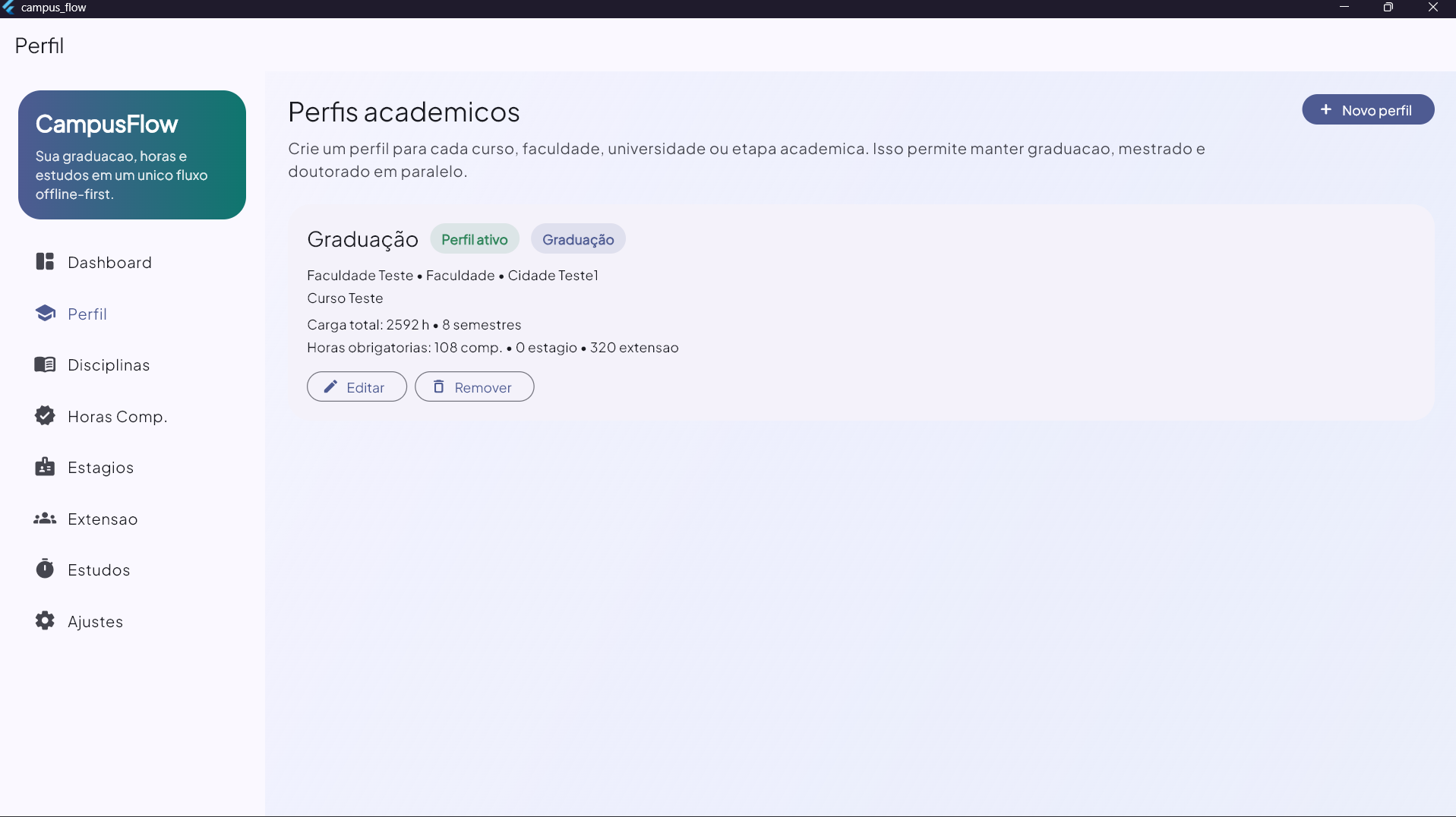
CampusFlow desktop screen showing academic profiles
CampusFlowReal app screenshot
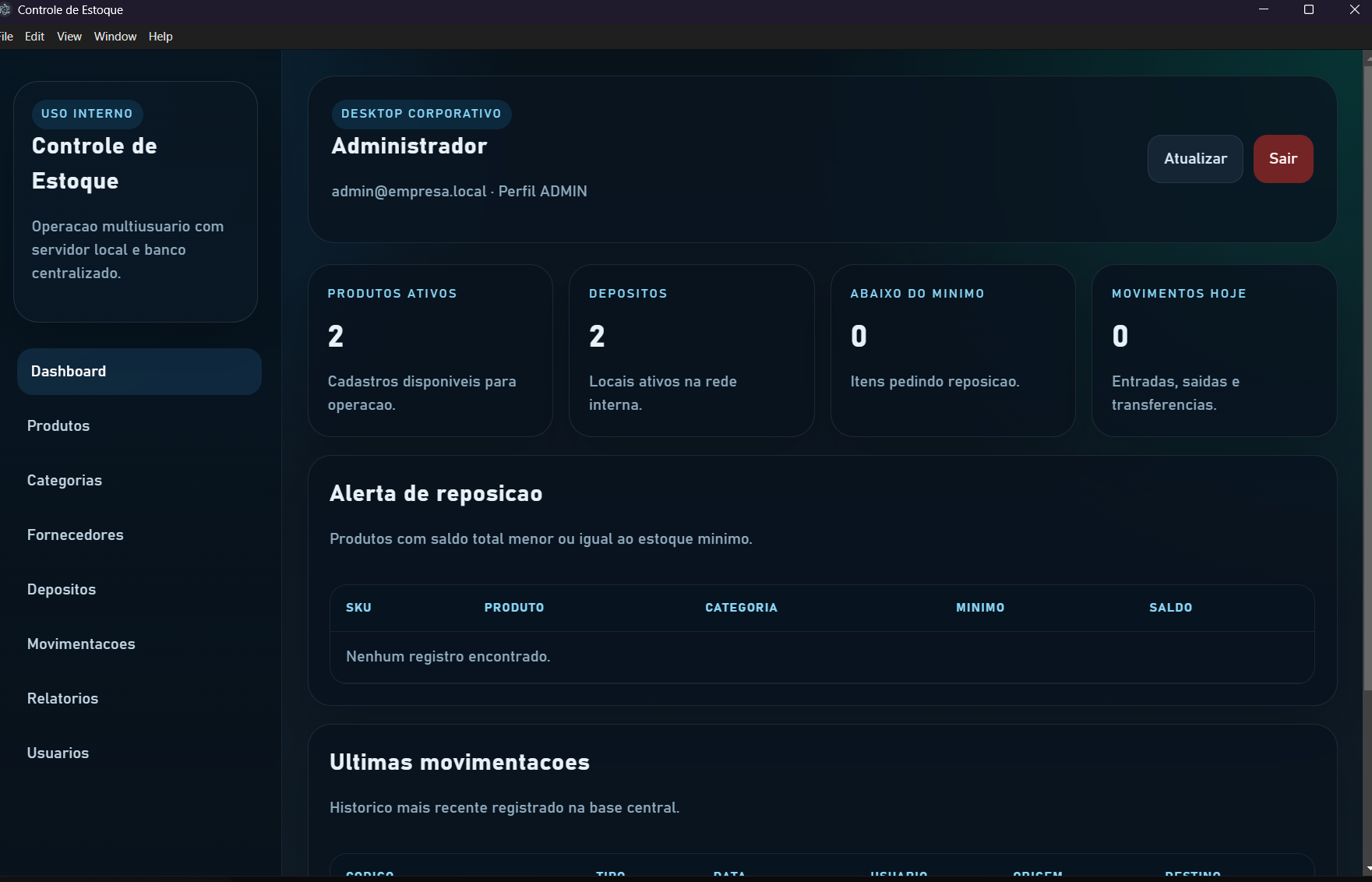
Dark inventory control dashboard screenshot
Inventory UIDesktop system
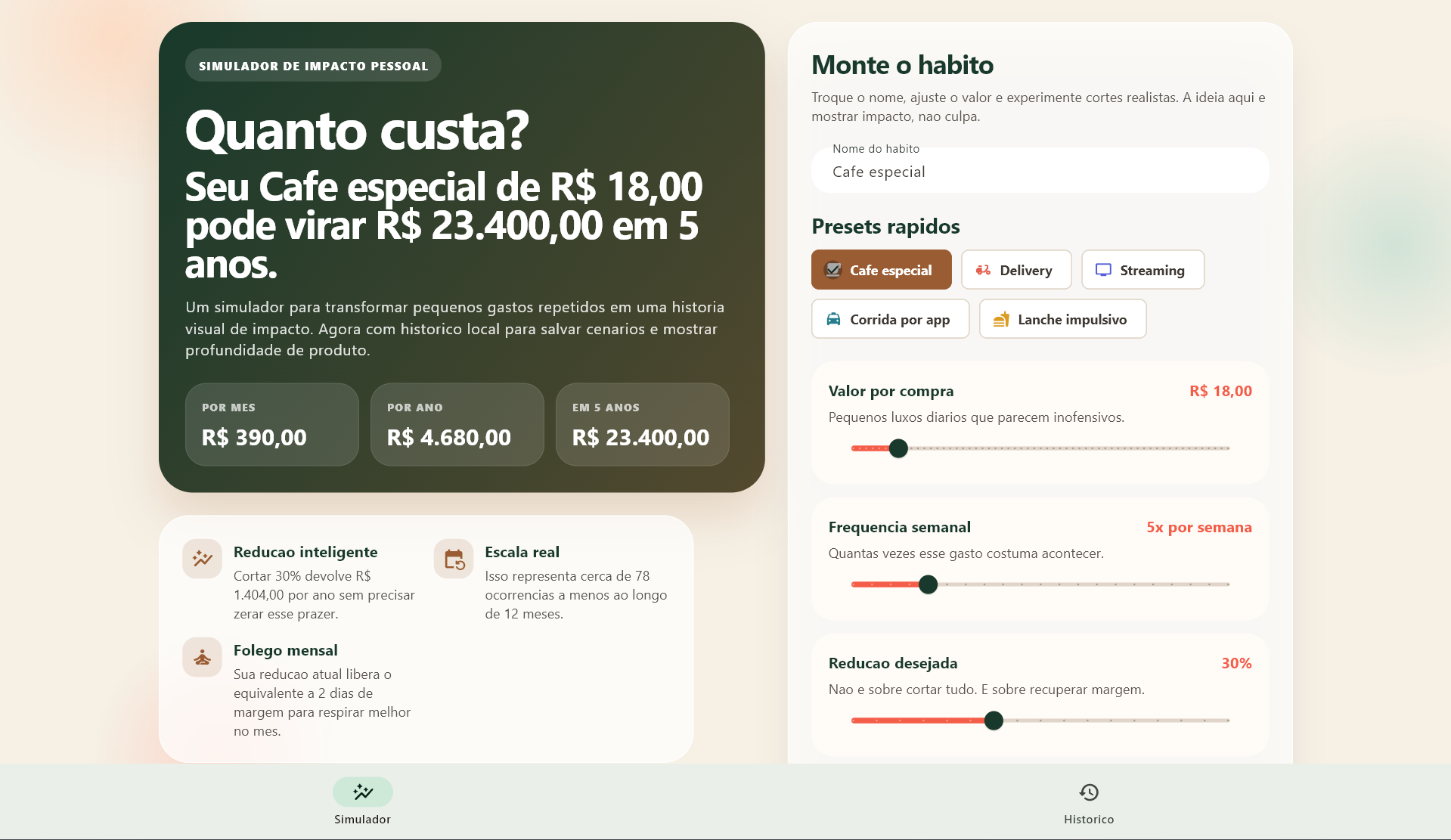
Quanto custa financial habit simulator interface screenshot
Quanto custa?Interactive tool
01 HeroBrand, author, real project scope.
02 What we doSoftware, AI, catalog, infrastructure.
03 ProofValidated notes, not placeholder copy.
04 RoadmapFinished phases and next practical work.
05 ContactOnly confirmed channels and clear gaps.
What we do

One ecosystem for experiments that have to become useful.

The Canva deck described a tech company in broad terms. The real version is more specific: a builder-led workspace connecting AI runtime work, public websites, server operations, and a new 3D-print catalog.

Software

Apps, dashboards, and public pages

Portfolio projects include web, desktop, and mobile work, with this repository serving the main public site, portfolio, and server pages.

AI

Little X 2.0 as a local-first agent

Little X 2.0 is a local/dev FastAPI and CLI runtime with persisted chats, audit events, provider selection, model defaults, and explicit fallback behavior.

Catalog

Blacklight 3D quote-first commerce

Blacklight 3D is live as a public catalog under wicolly.com.br, focused on practical 3D-printed products and custom quote workflows.

Personal

Homenagem para Márcia

Uma carta carinhosa para minha segunda mãe e madrinha, sem fotos, feita para guardar essa história no site.

About / vision / mission

Build small, verify hard, publish only what can stand up.

The operating direction is practical: ship real systems, keep private infrastructure private, avoid fake polish, and make each public page reflect the current project state.

InputNeed, prompt, product idea, or server task.
ProcessCode, deploy, validate, document, and redact secrets.
OutputA public page, working tool, catalog item, or clear next step.
Builder Wícolly Pedro Alcântara is the named person behind the current public Wicolly and Little X 2.0 materials.
Brand Blacklight Technologies is used as the umbrella identity in the Little X 2.0 Canva deck and public project language.
Boundary Little X 2.0 remains local/dev. It should not be presented as a public hosted AI product until authentication and policy work exist.
Live path Blacklight 3D is documented as live at /blacklight3d/ with catalog and quote flow.
Little X 2.0

The brain section from the deck, grounded in the real runtime.

Recent project notes show a working local Web UI, audited chat flow, provider/model catalog, and an experimental NVIDIA NIM path. The public site names those capabilities without implying the private runtime is exposed online.

Runtime

Local FastAPI Web UI

Implemented with GET /, GET /api/status, and POST /api/chat, reusing the agent runtime and persisting user/assistant messages in SQLite.

Models

Provider and model routing

Central catalog, aliases, local defaults, explicit fallback, CLI model commands, and UI controls for provider/model selection.

Experimental

NVIDIA NIM adapter

Integrated as an experimental/test provider with env-only secrets, limited retry, rate-limit documentation, and fallback to local behavior when unavailable.

Auditability example

Controlled research stays explicit.

Entrada"Pesquise sobre o ZimaCube" with allow_research=true.
Processamentoweb.search, source selection, minimal context, then model response.
SaidaFactual summary with sources, research_used=true, blocked_reason=null.
Products / projects

Current public work, not fake product slots.

The Canva deck had generic product and project cards. These cards use the real public paths and project statuses available in the current repo and Notion context.

Financial impact simulator screenshot
Public catalog Blacklight 3D

3D-printed products by quote

Catalog mode is live at /blacklight3d/. Current direction favors practical home/setup organizers, PLA/PETG materials, simple colors, kits, and avoiding licensed IP.

CampusFlow app screenshot
Portfolio React / TypeScript

Project portfolio and apps

The existing portfolio remains the detailed project library for CampusFlow, desktop tools, web experiments, curriculum, screenshots, and technical context.

Inventory dashboard screenshot
Private infra Hefesto / Poseidon

Infrastructure pages

Hefesto and Poseidon keep public summaries separate from administrative details, preserving the boundary between public visibility and private operations.
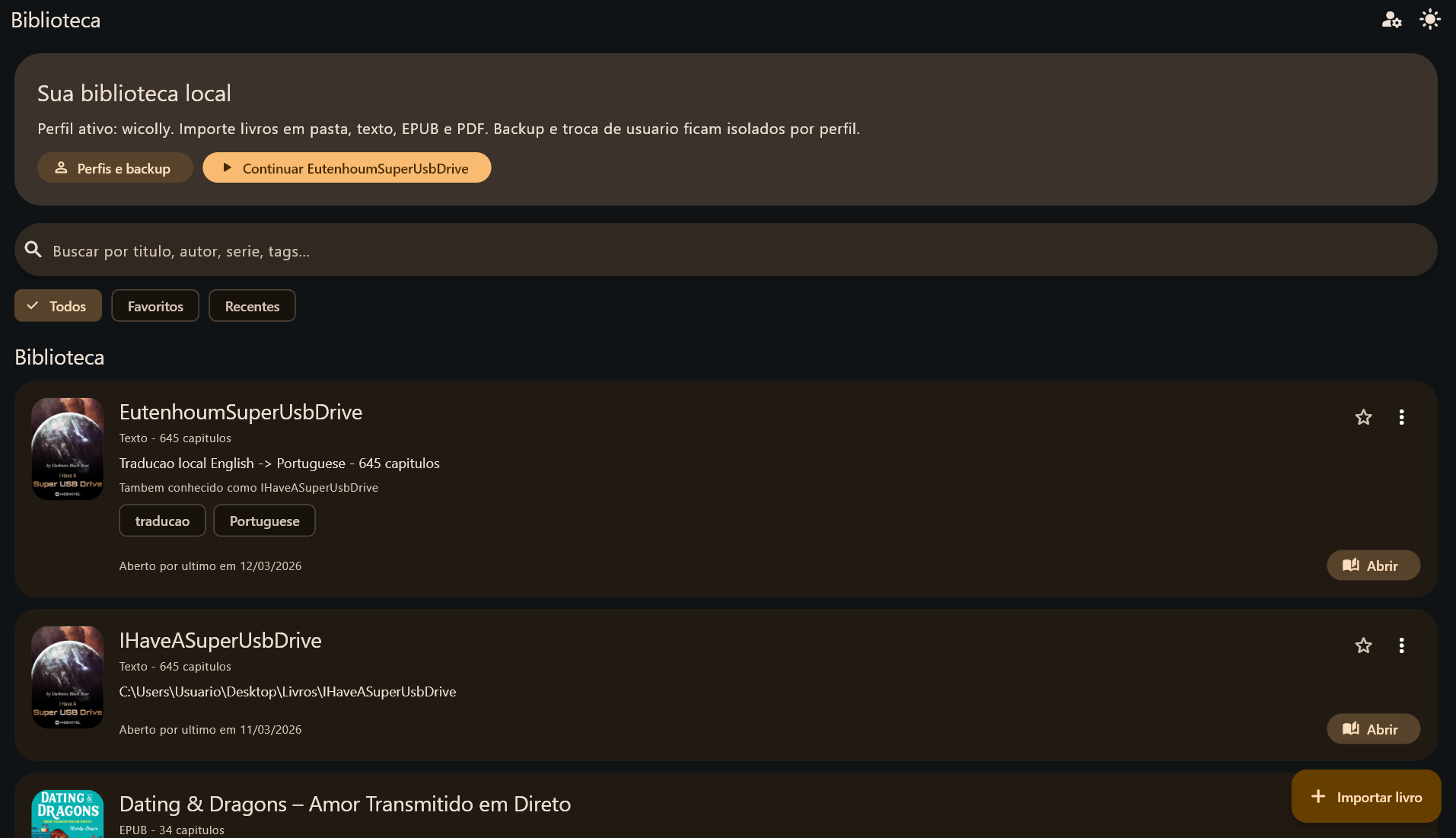
Local webnovel reader library screenshot
Local tools Little X adjacent

Automation and local utilities

Wicolly projects often start as local tools: readers, dashboards, automations, and operational helpers that can later become polished public work.

Roadmap

Recent progress and next honest milestones.

The deck's Q1-Q3 roadmap is reframed around what is already done and what should happen next.

Foundation done

  • Little X 2.0 project hygiene, uv workflow, checkpoints, and tests established.
  • Minimal local Web UI implemented and validated with persisted chat/audit flow.
  • Unified Wicolly static-site repository serves main, portfolio, Hefesto, and Poseidon pages.

Current buildout

  • Little X 2.0 visual theme, provider/model catalog, and experimental NVIDIA NIM provider.
  • Blacklight 3D public catalog path documented as live under /blacklight3d/.
  • Research underway for practical, sellable 3D-printed product categories.

Next work

  • Restore blocked Python dependency tests and repeat full Little X validation.
  • Add real product photos and richer product entries to Blacklight 3D.
  • Confirm a general public business contact before publishing an email or address.
Contact

Start from a real public path.

For project context, use the portfolio and GitHub. For Blacklight 3D quotes, use the public WhatsApp path configured in the catalog.

Business email and physical address are intentionally not listed because they were not confirmed in the current Notion context.